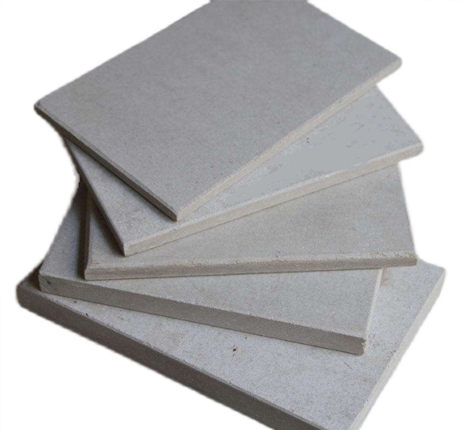
1. Introduction: The Pain Point
Are you a contractor, architect, or project manager in Southeast Asia, struggling to select the right partition wall material that can withstand the region's high humidity, meet stringent A1 fire safety codes for commercial projects, and stay within budget? You’re not alone. The choice between popular options like Calcium Silicate (CS) Board and Fiber Cement (FC) Board is critical. A wrong decision can lead to premature deterioration, costly replacements, and compliance issues. This guide cuts through the confusion, providing a clear, data-driven comparison to help you specify the best material for your next office, hospital, or residential project.
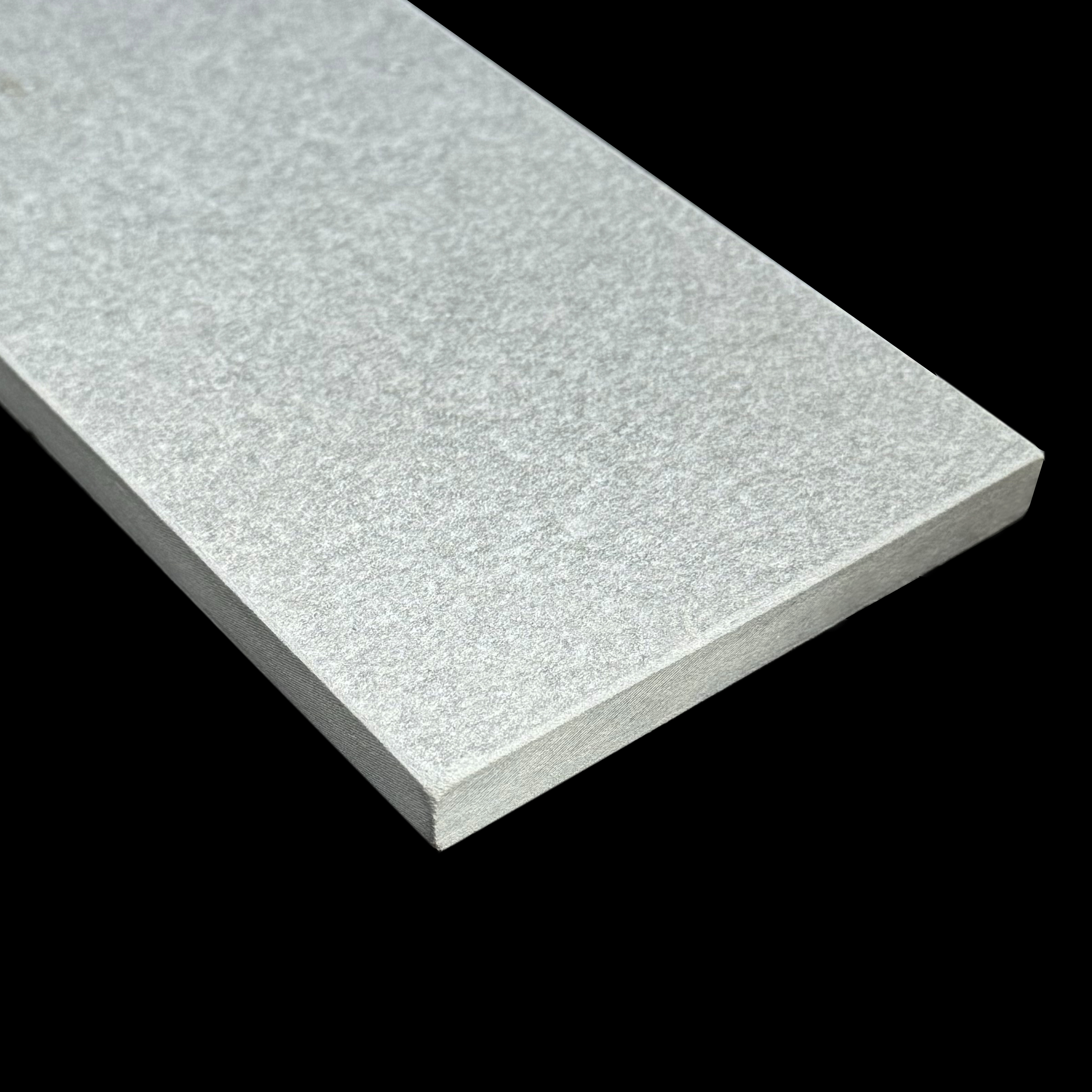
2. Understanding the Contenders: CS Board vs. FC Board
Before we dive into the comparison, let's briefly define our two main players.
-
Calcium Silicate Board (CS Board): An advanced, non-asbestos building material made from silica, calcium, and reinforcing fibers. It is known for its excellent fire resistance, light weight, and dimensional stability.
-
Fiber Cement Board (FC Board): A durable material composed of cement, silica, and cellulose fibers. It is renowned for its strength, water resistance, and versatility, often used for both interiors and exteriors (fiber cement siding board).
Both are excellent for drywall partition systems, but their strengths shine in different scenarios.
3. Head-to-Head: The 5-Factor Comparison for Southeast Asia
Here’s how these two materials stack up against the key demands of the Southeast Asian construction market.
Factor 1: Moisture & Mold Resistance
-
The Challenge: Southeast Asia's tropical climate means constant exposure to high humidity and rain, leading to mold growth and material warping.
-
FC Board: Excellent inherent water resistance. It can withstand prolonged moisture exposure, making it a strong candidate for areas like bathrooms, kitchens, and external applications.
-
CS Board: Highly moisture-resistant and anti-mold. While not designed for direct water immersion like FC board, its non-porous structure prevents moisture absorption from humid air, ensuring it won't warp or foster mold in indoor environments like offices and hospitals.
-
Verdict: FC Board has a slight edge for wet areas, but CS Board is more than sufficient for standard interior partitions where humidity is the main concern.
Factor 2: Fire Resistance & Safety Compliance
-
The Challenge: Commercial projects, hospitals, and schools in the region mandate strict fire codes, often requiring non-combustible A1-grade materials.
-
CS Board: The undisputed champion. Composed of inorganic materials, it is inherently non-combustible (A1 Fire Rating). It does not emit toxic smoke when exposed to fire, providing crucial extra time for occupant evacuation.
-
FC Board: Also offers very good fire resistance, typically achieving A2-s1, d0 or similar ratings. The cement base makes it non-combustible, though the cellulose fibers can char under extreme heat.
-
Verdict: Calcium Silicate Board is the superior choice for projects where maximum fire safety is the non-negotiable priority.
Factor 3: Weight & Ease of Installation
-
The Challenge: Heavier materials increase labor costs, slow down installation, and may require more robust supporting structures.
-
CS Board: Significantly lighter than FC board of the same thickness. This makes it easier to handle, cut, and install, reducing labor time and costs. Its lightness is a major advantage for high-rise interior fit-outs.
-
FC Board: Denser and heavier. This provides great impact resistance but can make handling more cumbersome and installation slightly more time-consuming.
-
Verdict: CS Board wins on ease and speed of installation, a key cost-saving factor for tight project timelines.
Factor 4: Strength and Durability
-
The Challenge: Partition walls in high-traffic areas like schools and malls need to withstand impact and daily wear and tear.
-
FC Board: Exceptionally strong, impact-resistant, and durable. Its high density makes it less prone to dents and damage.
-
CS Board: Offers good structural strength for interior partitions. While not as impact-resistant as FC board, its lightweight nature is coupled with sufficient durability for most commercial and residential applications.
-
Verdict: FC Board is the stronger material, ideal for areas subject to physical abuse.
Factor 5: Cost-Effectiveness
-
The Challenge: Balancing performance with project budget is key.
-
CS Board: Generally offers a very competitive price point, especially when factoring in the savings from easier installation. It provides excellent value for money for standard interior partitions.
-
FC Board: Often comes at a higher price due to its raw material composition and manufacturing process. The fiber cement board price in the Philippines and across SEA reflects its premium durability.
-
Verdict: For standard interior walls, CS Board is typically the more cost-effective solution.
4. Application Scenarios: Making the Right Choice
So, which one should you choose?
-
For Offices, Hospitals, and Hotels: Calcium Silicate Board is often the ideal choice. Its A1 fire rating, light weight, and excellent moisture resistance make it safe, easy to install, and durable for these demanding environments.
-
For Schools, Shopping Malls, and Industrial Areas: If impact resistance is paramount, Fiber Cement Board is excellent. For general partitions where fire safety is key, CS Board remains a top contender.
-
For High-Humidity Areas (e.g., Bathrooms, Food Processing Plants): Fiber Cement Board's superior water resistance makes it the go-to option.
5. Why Source from Pano Ceilings? Your Partner from China
Navigating this choice is easier when you have a reliable supplier. As a leading Chinese manufacturer of both high-quality Calcium Silicate and Fiber Cement Boards, Pano Ceilings is your strategic partner for success in Southeast Asia.
We don't just sell materials; we provide solutions.
-
Internationally Certified Quality: Our boards meet international standards for fire safety (A1), moisture resistance, and environmental safety.
-
Competitive Pricing: Leveraging our efficient manufacturing and supply chain, we offer highly competitive prices without compromising on quality, giving you an edge in your local market.
-
Customization: We understand that projects are unique. We offer custom sizes and thicknesses to match your precise design specifications.
-
Fast & Reliable Shipping: With extensive experience in exporting to Southeast Asia, we ensure your materials arrive on time, every time.
-
Sample Support: Don't just take our word for it. We offer free samples so you can test the quality, finish, and performance for yourself before placing a bulk order.
6. Conclusion and Strong Call-to-Action
Choosing the right partition wall material—be it the fire-safe and lightweight Calcium Silicate Board or the ultra-durable and water-resistant Fiber Cement Board—is pivotal to your project's longevity, safety, and budget.
The best choice depends on your specific application, but you no longer have to navigate this decision alone.
Stop guessing and start building with confidence.
If you are looking for a reliable, high-performance, and cost-effective partition wall solution for your Southeast Asian project, contact the experts at Shanxi Pano Building Materials Co., Ltd today.
[Click Here to Contact Us Now & Request Your FREE Sample/Quote!]
Let us provide you with the precise product information, a competitive quotation, and the sample you need to make an informed decision. Partner with a trusted supplier in China and ensure your next partition wall project is a resounding success.


