In the global ceiling materials market, China’s manufacturing strength makes it a top choice for importers seeking Ceiling T grids, mineral fiber ceiling tiles, and calcium silicate boards. However, the quality of Chinese factories varies greatly. For importers, partnering with eligible suppliers is not just about securing quality products, but also about ensuring smooth logistics, compliant certifications, and long-term business stability. Below is a comprehensive guide to identifying eligible factories, with insights into how Pano Ceilings embodies these qualities.
1. Compliance with Industry Certifications and Standards
Certifications are the first "pass" for eligible factories, as they reflect a factory’s ability to meet international quality and safety requirements. For ceiling products, key certifications include:
• ISO Certifications: ISO 9001 (Quality Management System) ensures consistent production processes, while ISO 14001 (Environmental Management System) indicates the factory’s commitment to eco-friendly manufacturing—critical for importers targeting markets with strict environmental regulations.
• Product-Specific Certifications: For Ceiling T grids, compliance with ASTM C635 (U.S. standard) or EN 13964 (European standard) guarantees structural stability. Mineral fiber ceiling tiles need certifications like GREENGUARD (for low volatile organic compounds/ VOCs) to meet indoor air quality requirements in regions like North America and Europe. Calcium silicate boards require adherence to BS EN 12467 (European standard) or JIS A5430 (Japanese standard) for fire resistance and durability.
Pano Ceilings takes certifications seriously. Our production base holds ISO 9001 and ISO 14001 certifications, and all products undergo rigorous testing to obtain ASTM, EN, GREENGUARD, and other international certifications. For example, our mineral fiber ceiling tiles have GREENGUARD Gold certification, ensuring they emit minimal VOCs—ideal for commercial spaces like offices and schools. This commitment to compliance means importers can avoid customs delays and market entry barriers when distributing Pano Ceilings products.
2. Advanced Production Capacity and Quality Control
Eligible factories must have sufficient production capacity to meet importers’ order demands and a strict quality control (QC) system to avoid defective products. Importers should assess two key aspects:
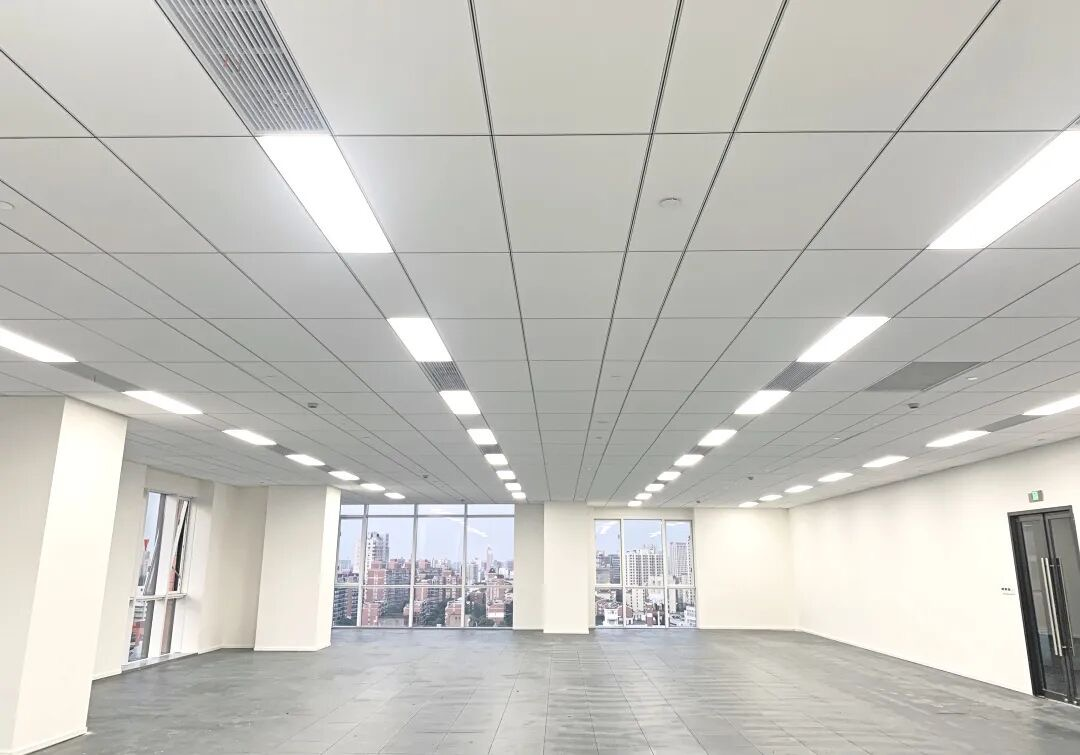
• Production Scale and Equipment: Modern, automated production lines improve efficiency and consistency. For Ceiling T grid production, factories with advanced roll-forming machines ensure uniform dimensions and smooth surfaces. For mineral fiber ceiling tiles, specialized mixing and pressing equipment guarantees consistent density and sound absorption performance.
• QC Processes: A robust QC system covers raw material inspection, in-process testing, and final product sampling. For example, raw materials for calcium silicate boards (like silica sand and cement) should be tested for purity; during production, Ceiling T grids should be checked for load-bearing capacity; and finished mineral fiber tiles should undergo sound absorption and fire resistance tests.
Pano Ceilings boasts a 20,000-square-meter production facility equipped with state-of-the-art automated lines: our Ceiling T grid production line can output 5,000 meters daily with a dimensional error of less than 0.5mm, and our mineral fiber tile line ensures consistent density across batches. Our QC team consists of 15+ professionals who implement a 3-step inspection process:
1. Raw material screening: We source silica sand from certified mines and steel for T grids from top Chinese steel mills, with 100% inspection of raw material certificates.
2. In-process monitoring: Sensors and manual checks every 30 minutes during production to catch deviations in thickness, size, or texture.
3. Final sampling: 5% of each batch is tested for performance (e.g., fire resistance for calcium silicate boards, sound absorption for mineral fiber tiles) before packaging.
This rigorous process ensures Pano Ceilings products have a defect rate of less than 0.3%, far below industry averages. For importers, this means fewer returns, lower after-sales costs, and a reliable supply chain.
3. Transparent Supply Chain and Ethical Practices
In today’s global market, importers increasingly value supply chain transparency and ethical manufacturing. Eligible factories should be open about their raw material sources, production processes, and labor practices. This not only helps importers avoid reputational risks (e.g., associating with factories that use child labor or illegal materials) but also ensures traceability in case of product issues.
Pano Ceilings maintains full supply chain transparency. We provide importers with detailed reports on raw material suppliers, including their certifications and audit records. For example, our calcium silicate board raw materials are traceable to specific mines, and we share production process videos upon request. We also adhere to China’s Labor Law, ensuring fair wages, safe working conditions, and no child labor in our facility. Additionally, we prioritize sustainability: our factory recycles 80% of production waste (e.g., leftover mineral fiber and steel scraps) and uses energy-efficient machinery to reduce carbon emissions.
For importers targeting eco-conscious markets (e.g., the EU’s Green Deal), partnering with a factory like Pano Ceilings aligns with their corporate social responsibility (CSR) goals and enhances their brand image among consumers.
4. Professional Export Experience and Customer Support
Importing from China involves complex procedures—customs declaration, documentation, logistics, and after-sales service. Eligible factories should have rich export experience to guide importers through these steps and resolve issues promptly. Key indicators of export capability include:
• Familiarity with International Logistics: The factory should have partnerships with reliable freight forwarders to offer flexible shipping options (sea, air, rail) and handle customs clearance documents (commercial invoice, packing list, certificate of origin) accurately.
• Multilingual Support: A team proficient in English (or other target languages) ensures smooth communication, especially for technical inquiries or order adjustments.
• After-Sales Service: Eligible factories should offer clear after-sales policies, such as replacing defective products or providing technical guidance for installation.
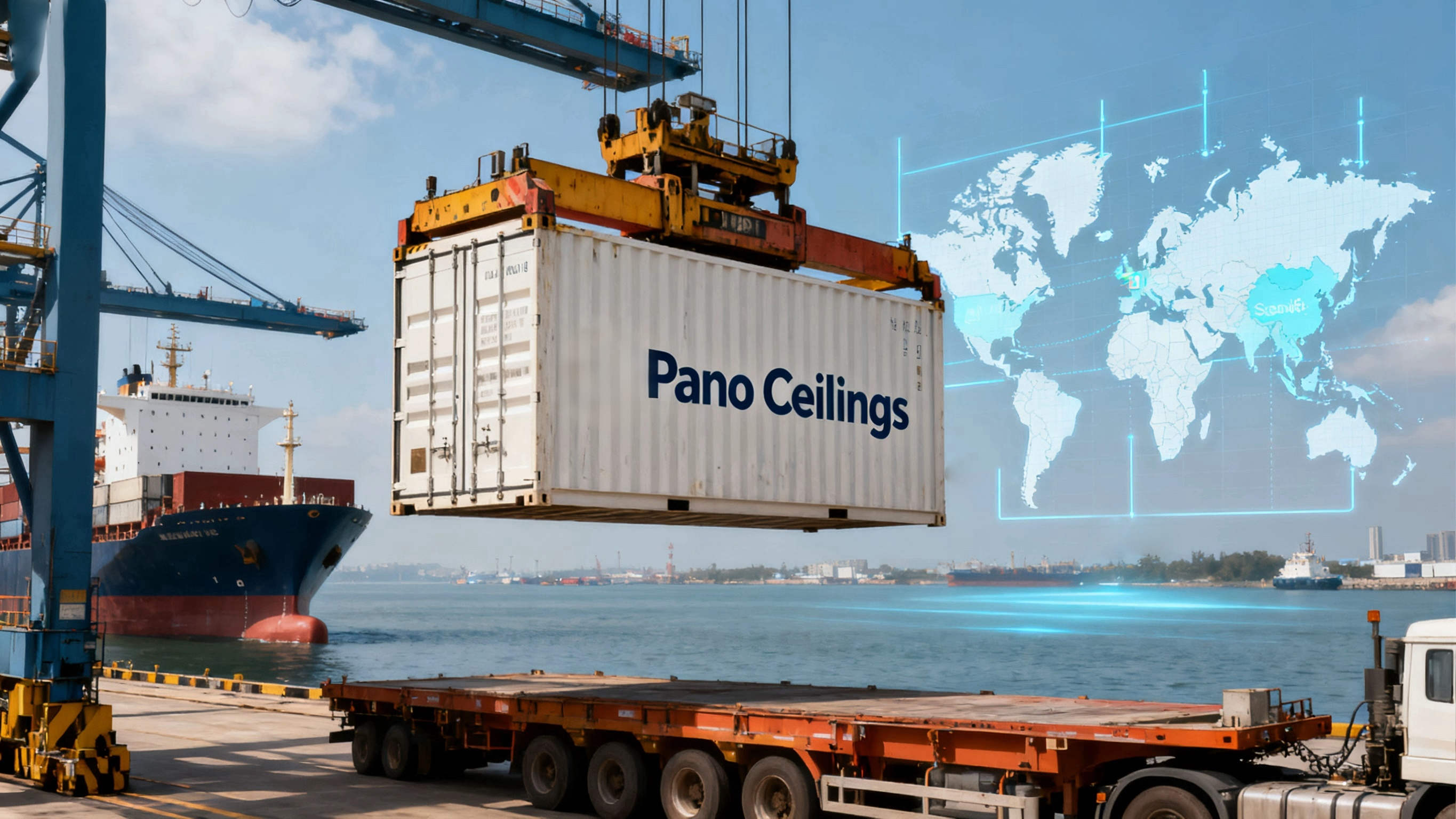
Pano Ceilings has 10+ years of experience exporting ceiling products to 50+ countries, including the U.S., Germany, Australia, and Brazil. We work with leading freight forwarders to optimize shipping routes—for example, sea freight to the U.S. West Coast takes just 18-22 days, and air freight to Europe is available for urgent orders. Our customer service team includes 8 English-speaking specialists who respond to inquiries within 2 hours. For after-sales support, we provide a 2-year product warranty: if any Pano Ceilings product is defective due to manufacturing, we arrange free replacements and cover shipping costs.
5. Ability to Customize and Innovate
Market demands for ceiling products are evolving—importers may need custom sizes, colors, or performance features (e.g., higher fire resistance for high-rise buildings). Eligible factories should have the flexibility to customize products and the R&D capability to innovate, helping importers stay competitive.
Pano Ceilings invests 5% of annual revenue in R&D and has a 12-person R&D team. We offer extensive customization options:
• Ceiling T grids: Customizable in width (15mm-30mm), length (up to 6 meters), and color (white, gray, or custom RAL colors).
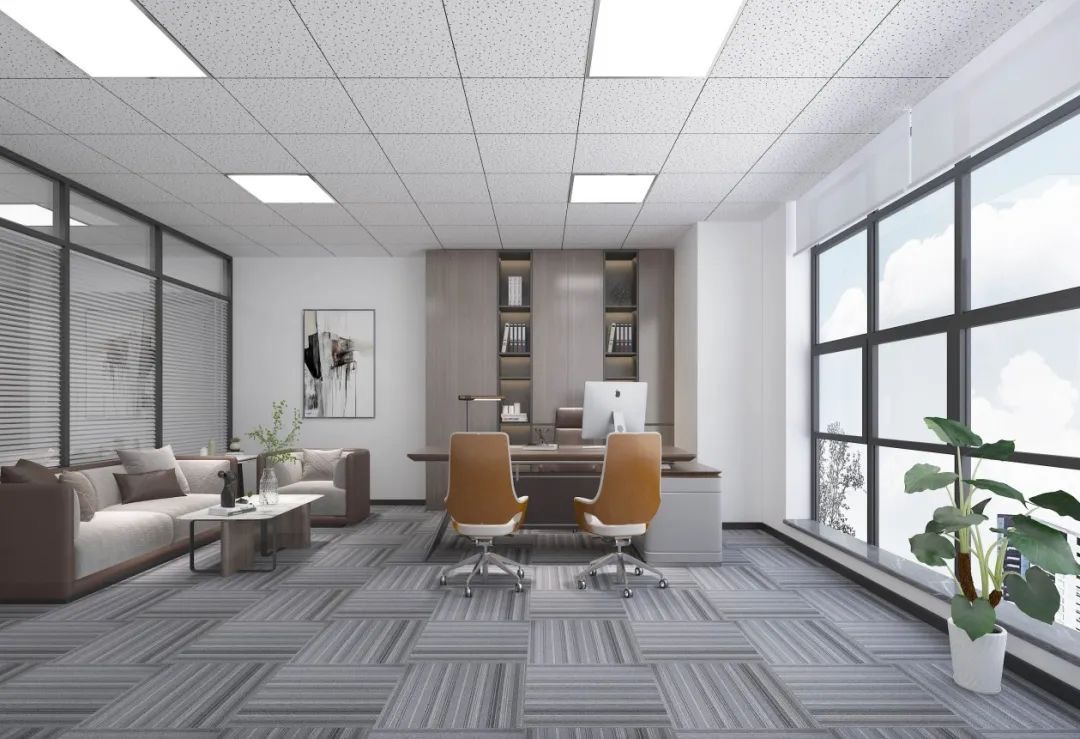
• Mineral fiber ceiling tiles: Customizable in thickness (12mm-25mm), sound absorption coefficient (up to 0.85), and surface patterns (plain, textured, or printed designs).
• Calcium silicate boards: Customizable in density (0.8g/cm³-1.2g/cm³) and fire resistance rating (up to A1 class).
In 2023, we launched a new anti-mold mineral fiber tile specifically for humid regions like Southeast Asia—this product quickly became a bestseller for our importers in Thailand and Malaysia. Our R&D team also collaborates with importers to develop market-specific products, ensuring they meet local consumer preferences and regulatory requirements.


