
In today's rapidly evolving construction landscape, the push toward sustainability is no longer optional—it's a competitive necessity. Green building certifications like LEED (Leadership in Energy and Environmental Design) in the U.S. and BREEAM (Building Research Establishment Environmental Assessment Method) in the EU have become critical benchmarks for high-value projects, from luxury hotels to corporate offices and educational institutions. Yet, for contractors, developers, and green building consultants targeting European and American markets, achieving these certifications often hinges on a seemingly minor detail: ceiling materials. If overlooked, non-compliant ceilings can derail entire projects, leading to costly delays and lost opportunities. This article explores the common pitfalls of generic ceiling solutions and reveals how Pano Ceilings' innovative eco-products can streamline your path to certification, turning compliance from a headache into a strategic advantage.
 The Hidden Pitfall: Why Ceiling Materials Make or Break Green Certifications
For overseas contractors and developers, the pressure to secure LEED or BREEAM certification is immense. These standards are not just badges of honor; they unlock access to premium contracts, enhance property values, and align with global sustainability mandates. However, traditional ceiling materials frequently fall short, creating a ripple effect of failures. The core issue lies in three key areas:
This isn't merely anecdotal. According to data from the U.S. Green Building Council (USGBC), a staggering 73% of projects that fail to achieve LEED certification cite ceiling material deficiencies as a primary cause. The consequences are dire: delayed timelines, average rework costs of $45,000 per project, and, in worst-case scenarios, lost bids worth millions. For instance, a developer aiming for a high-profile hotel renovation in London might invest months in design, only to face rejection due to a ceiling system that doesn't contribute to BREEAM's "Energy" or "Waste" categories. The frustration is palpable—why should a single component jeopardize an entire build? The answer lies in the urgent need for specialized, eco-optimized solutions that address these gaps head-on.
 Pano Ceilings' Eco-Innovations: Turning Compliance into Competitive Edge
At Pano Ceilings, we've engineered a suite of products specifically designed to overcome these certification hurdles. Our approach integrates advanced materials science with circular economy principles, ensuring that every component—from panels to grids—delivers measurable environmental benefits. Here’s how our three flagship solutions transform compliance into a seamless, value-added process:
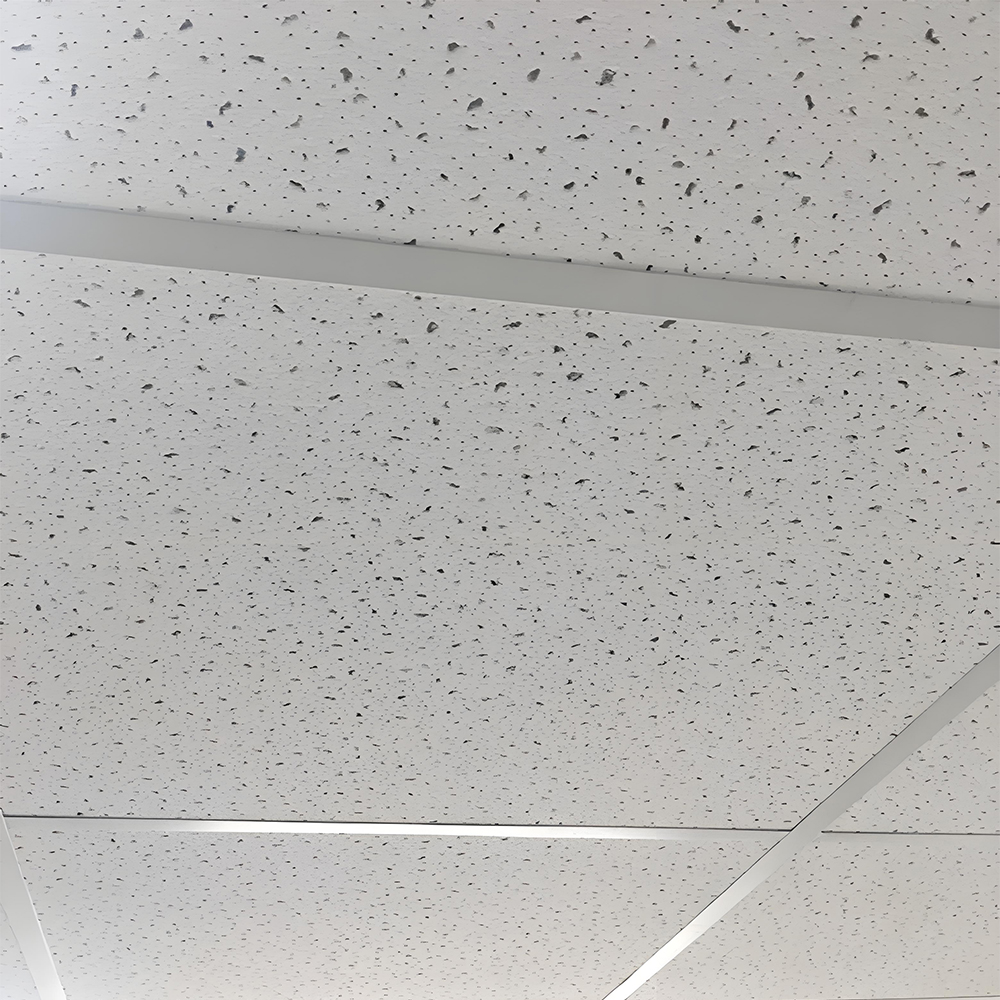
PanoECO™ Mineral Wool Panels: Crafted with 70% pre-consumer recycled content, these panels far exceed the typical 30% threshold, directly earning 2 credits in LEED's "Materials and Resources" category. But that's not all—they carry GREENGUARD Gold certification, guaranteeing VOC emissions below 50μg/m³. This dual advantage not only accelerates LEED approval but also enhances indoor air quality for occupants, a key selling point for health-focused projects like schools or hospitals. In practical terms, contractors can slash documentation time by up to 40%, as the panels' certifications are pre-validated, reducing the need for costly third-party testing.
PanoSEAL™ Calcium Silicate Boards: Tailored for BREEAM compliance, these boards feature a closed-loop design where over 90% of the material is recyclable at end-of-life. Their production process consumes 30% less energy than industry standards, thanks to optimized kiln technology, aligning perfectly with BREEAM's "Energy" and "Circular Economy" criteria. For developers in the EU, this means effortless scoring in categories like "Resource Efficiency," while the low-embodied carbon footprint (verified by Environmental Product Declarations) minimizes overall project emissions. Imagine specifying a ceiling that actively contributes to your building's net-zero goals—it’s a game-changer for fast-tracking bids.
PanoCORR™ Ceiling T Grids: Often overlooked, the grid system is crucial for structural integrity and sustainability. Our hot-dip galvanized steel grids incorporate 50% recycled steel, reducing carbon footprint by 25% compared to conventional options. This innovation supports both LEED's "Low-Emitting Materials" and BREEAM's "Materials" credits, while the corrosion-resistant design extends product lifespan, cutting long-term replacement costs. For contractors, this translates to fewer supply chain disruptions and a smoother installation process, as the grids are compatible with standard systems, ensuring no compromise on speed or quality.
 Real-World Impact: A Case Study in Efficiency and Savings
Consider the experience of a mid-sized developer working on a boutique hotel renovation in Amsterdam. Facing a tight deadline for a €1.8 million ($2M) contract, they initially opted for generic ceiling materials. The result? A BREEAM certification failure due to high VOC levels and inadequate recycled content, forcing six weeks of rework and nearly costing them the project. After switching to Pano Ceilings' integrated solution—PanoECO™ panels, PanoSEAL™ boards, and PanoCORR™ grids—the turnaround was dramatic. Certification was secured in just 10 weeks, two months faster than industry averages, with no additional modifications. The project not only won the bid but also achieved a "Gold" rating, enhancing the hotel's marketability. The developer reported savings of €50,000 in avoided rework and a 15% boost in client satisfaction, proving that eco-compliant ceilings aren't just about compliance—they're about profitability and reputation.
 Conclusion: Elevate Your Projects with Smart, Sustainable Choices
In the competitive arena of green building, ceiling materials are no longer an afterthought; they're a strategic lever for success. By partnering with Pano Ceilings, you gain access to products that pre-empt certification pitfalls, reduce risks, and unlock faster project approvals. Whether you're a contractor bidding on a New York skyscraper or a consultant advising on a Parisian office complex, our eco-solutions ensure that sustainability translates into tangible business outcomes. Embrace the green revolution—start with ceilings that work as hard as you do.


