A mineral fiber ceiling tile is a sound-absorbing decorative panel made from mineral fiber as the main raw material, mixed with an appropriate amount of additives, and processed through procedures such as batching, molding, drying, cutting, embossing, and finishing.
Mineral fiber ceiling tiles have the properties of noise reduction, sound absorption, sound insulation, fire resistance and decoration, and are widely used in various indoor spaces. Today, we will explain the practical application of mineral fiber ceiling tiles, mainly to solve the following problems:
1. What are the common materials used for mineral fiber ceiling tile suspension systems?
2. What is the construction process of mineral fiber ceiling tiles?
3. What are the common quality issues of mineral fiber ceiling tiles?
————————————————————————————————————————————————————————
Ⅰ . What materials are used for mineral fiber ceiling tile suspension systems?
There are two types of keels used for mineral fiber ceiling tile suspension systems: hot-dip galvanized steel keels and painted steel keels.
1.Hot-dip galvanized steel keel
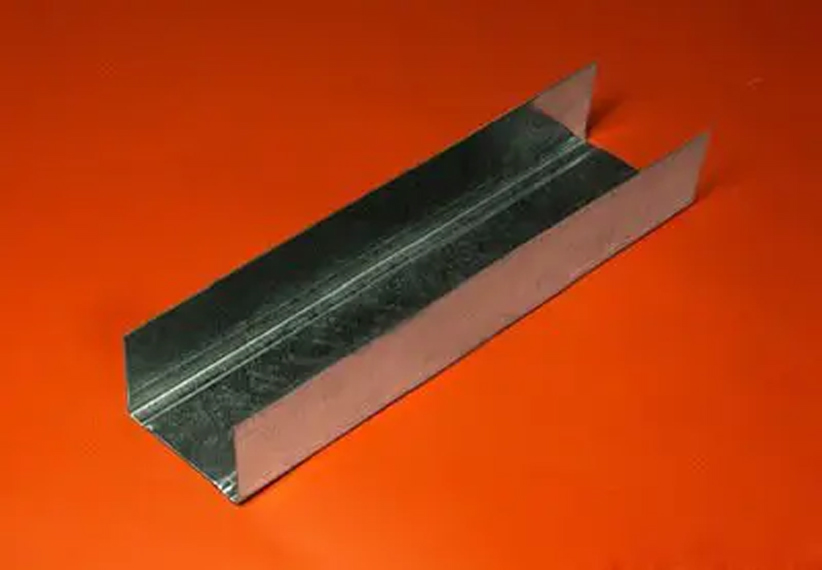
The hot-dip galvanized steel keel has a double-sided galvanization amount of over 128g/㎡ and a base plate thickness of more than 0.3mm, meeting the national standard for premium grade products. Its surface is treated with chromate for rust prevention, offering excellent corrosion resistance.
2. Painted steel keel
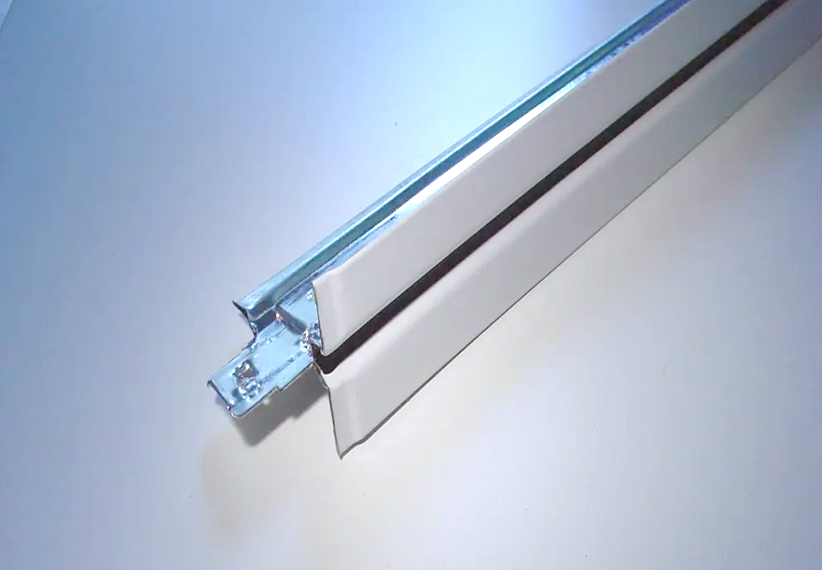
The painted steel keel features double-sided galvanized painting, which provides excellent rust resistance. With polyester paint finish, it boasts an elegant and premium texture, and matches well with various types of ceiling panels during installation. According to the cross-sectional shape, it can be divided into T-shaped, L-shaped and W-shaped keels.
3. Keel Features
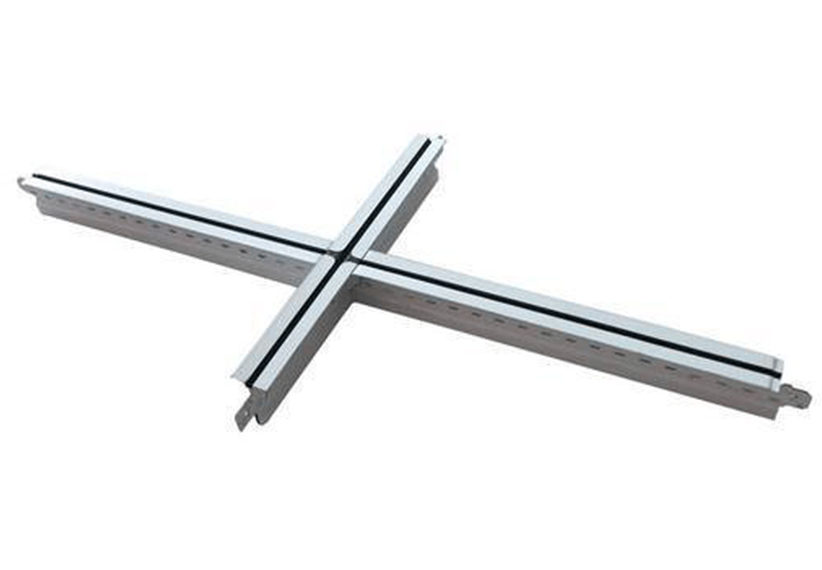
( 1) The keel is sturdy and fire-resistant, ensuring safety.
( 2) It is easy to assemble and disassemble, facilitating daily maintenance and thus extending the service life of the ceiling.
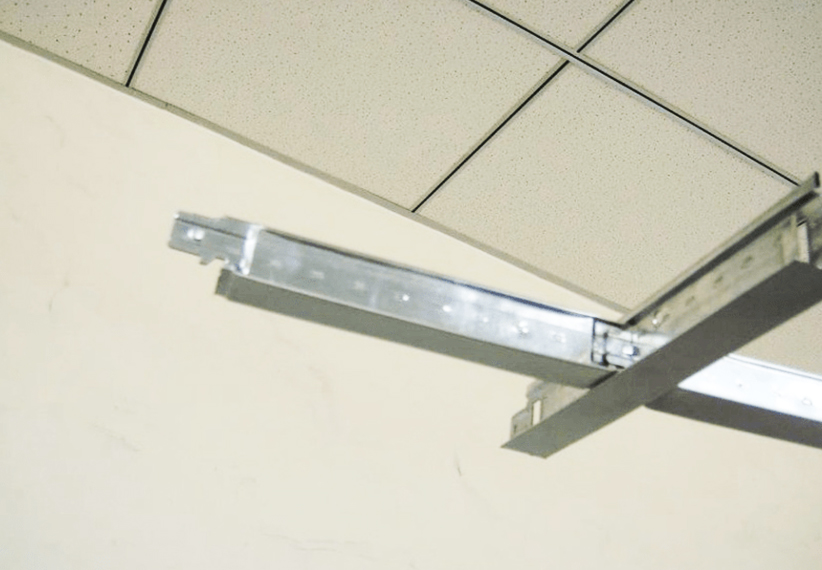
(3) High-quality cold-rolled continuous hot-dip galvanized coil is used as the raw material, featuring uniform material, moderate hardness, light weight, fire resistance, and easy assembly. Unaffected by seasons, the construction is simple and efficient, which greatly shortens the construction period and improves work efficiency.
(4) The double-sided galvanized keel has strong corrosion and rust resistance, and a long service life.
Ⅱ. What is the construction process of mineral fiber ceiling tiles?
Before introducing the construction process of mineral fiber ceiling tiles, let's first take a look at the preparation work required before the construction of mineral fiber ceiling tile suspended ceilings.
1. Construction Preparation
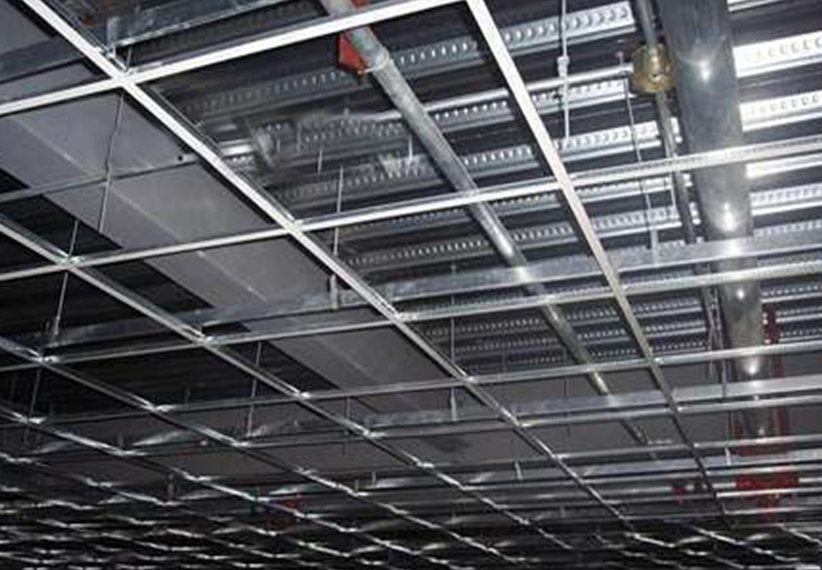
Before large-scale construction of the light steel framework ceiling, structural treatment must be carried out on the ceiling's camber, light troughs, curtain boxes, ventilation openings, etc. Large-scale construction can only proceed after all these are confirmed to avoid modifications after the ceiling is completed. Before construction, the following materials need to be prepared:
( 1 ) The specification, type, surface form and sound absorption index of mineral fiber ceiling tiles must meet our design requirements and functional use requirements.
( 2 ) The light steel keels used for the ceiling are divided into two types: U-shaped framework and T-shaped framework.
( 3 ) Light steel keels are classified into main keels, secondary keels and edge keels.
( 4 ) Accessories: Hangers, connectors, plugs and other components must meet the design requirements in terms of material.
( 5 ) Spare parts: Suspenders, turnbuckles, shooting nails, self-tapping screws, etc.
2. Construction Process
The full process of mineral fiber ceiling tile installation is: Base treatment → Ceiling positioning → Suspender installation → Edge keel installation → Main keel installation → Wiring and piping → Concealed inspection → Mineral fiber ceiling tile installation.
( 1 ) Ceiling Positioning
Use a level to mark horizontal points on each wall (column) corner in the space, and snap a horizontal line (the horizontal line is generally 500mm from the ground).
Measure from the horizontal line to the designed ceiling height plus the thickness of the mineral fiber ceiling tile, then snap a horizontal line along the wall (column) with chalk line, which is the bottom line of the ceiling's secondary keel.
Snap the positions of the main keels on the top surface of the space. The main keels should be arranged from the center of the ceiling to both sides, with a maximum spacing of 900~1200mm. At the same time, mark the fixed points of the suspenders, with the spacing between the fixed points of the suspenders being 900~1200mm.
( 2 ) Suspender Installation
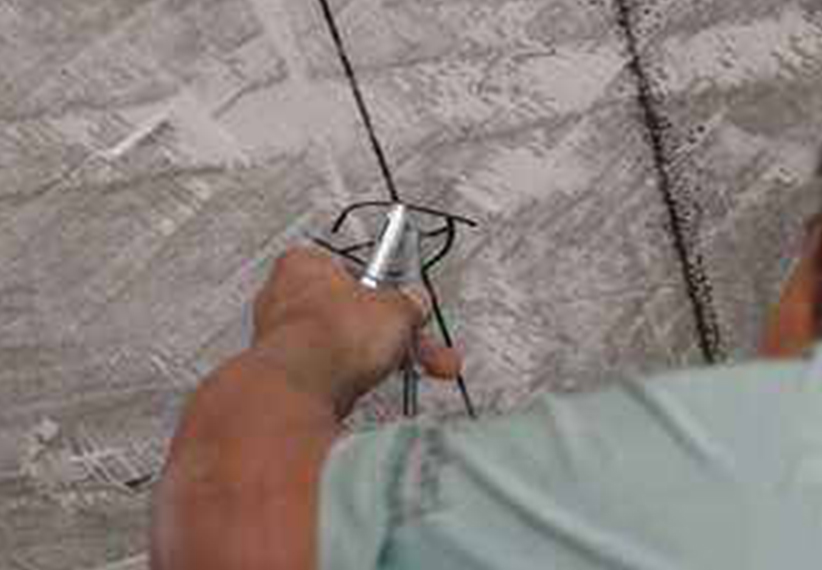
Determine the positions of suspenders in accordance with the construction drawings, and fix the suspenders using expansion tubes:
• For non-accessible keel ceilings: If the suspender length is less than 1000mm, Φ6 suspenders can be used; if it exceeds 1000mm, Φ8 suspenders should be adopted. If the suspender length is more than 1500mm, anti-bracing should also be installed on the suspenders.
• For accessible suspenders: If the suspender length is ≤ 1000mm, Φ8 suspenders can be used; if it exceeds 1000mm, Φ10 suspenders should be used. If the suspender length is more than 1500mm, anti-bracing should also be installed on the suspenders. The exposed length of the suspender ends after installation shall not be less than 3mm.
( 3 ) Edge Keel Installation
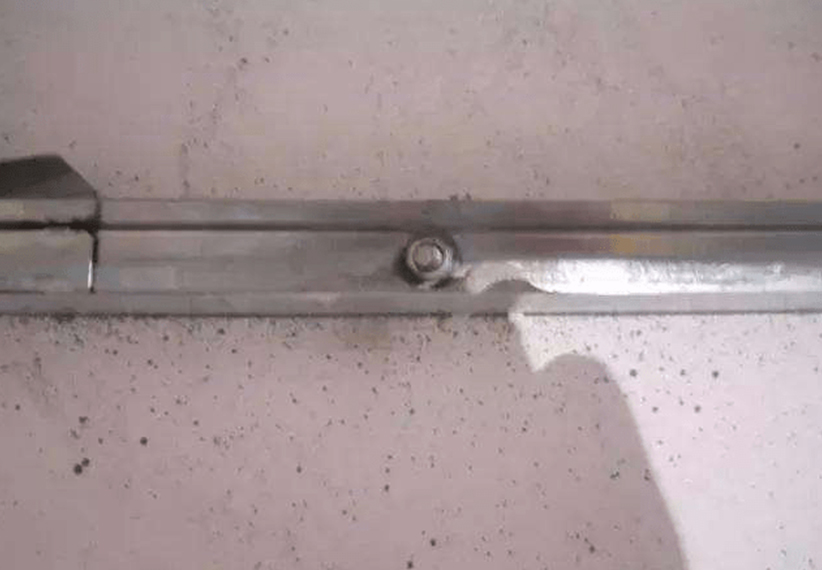
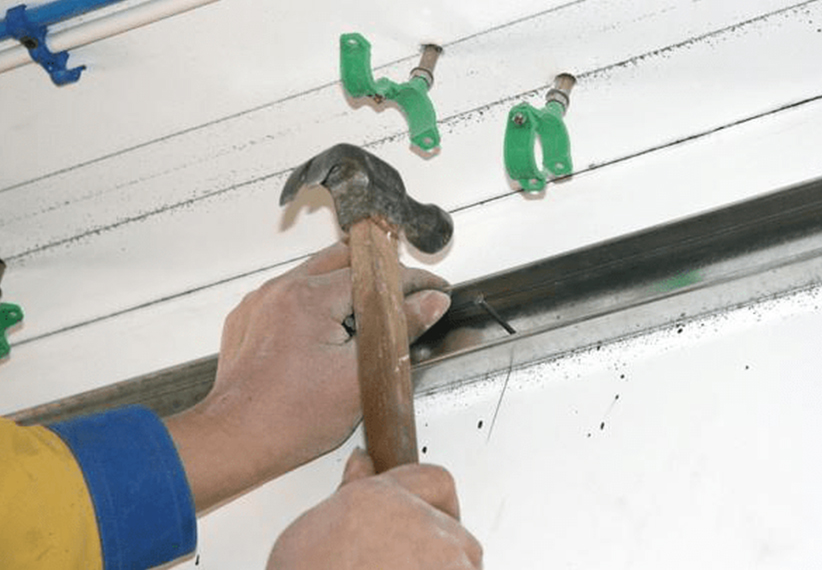
The edge keel shall be installed by snapping lines as per the design requirements. Along the horizontal keel line on the wall (column), fix the L-shaped galvanized light steel strips on the pre-embedded wooden bricks with self-tapping screws, and fasten them to the wall (column) with plastic expansion tube self-tapping screws at a spacing of 200mm.
( 4 ) Main Keel Installation
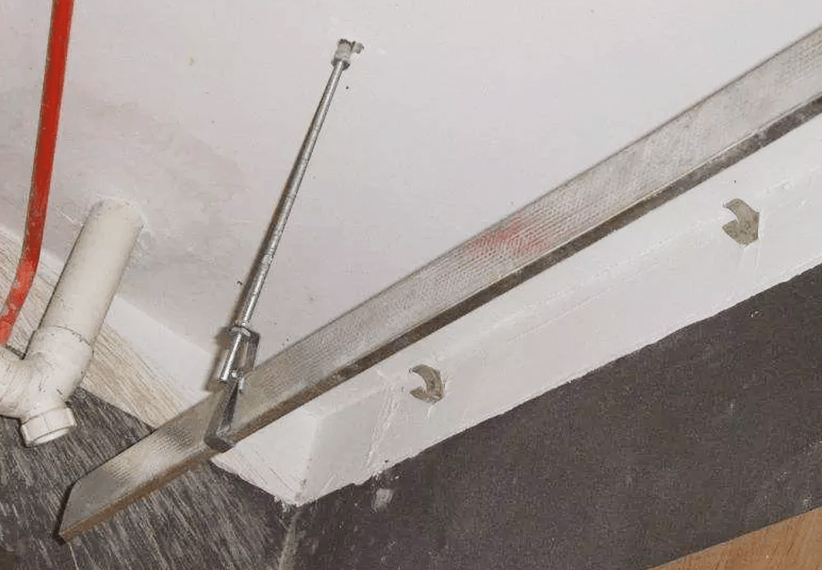
① Main keels shall be hung on suspenders, with the spacing between two suspenders not exceeding 1200mm; 900mm is recommended.
② Main keels are divided into light steel keels and T-shaped keels. The splicing of main keels shall be butt joint, and the butt joints of adjacent keels shall be staggered from each other. The main keels shall be basically leveled after being hung.
③ For ceilings with a span of more than 15m, an additional large keel shall be added on the main keels every 15m, and welded firmly perpendicular to the main keels.
( 5 ) Secondary Keel Installation
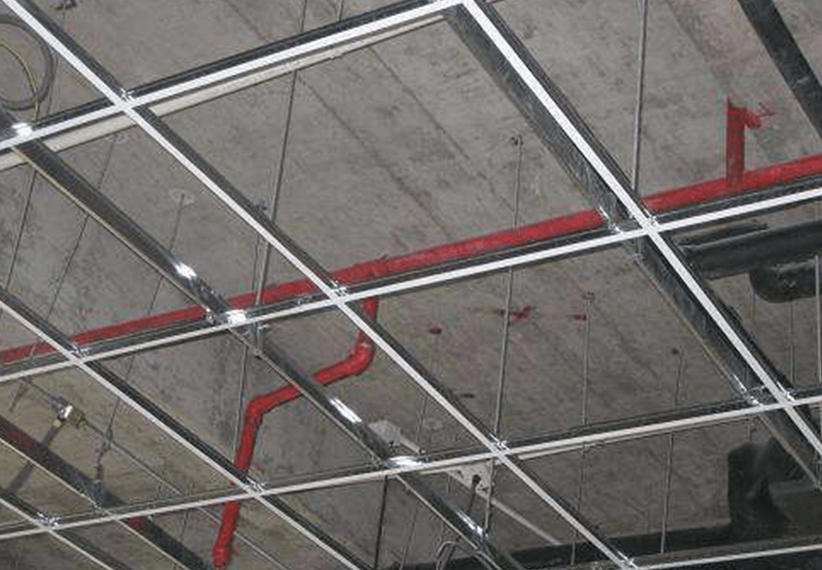
There are two types of secondary keels: exposed secondary keels and concealed secondary keels:
① Concealed secondary keel ceiling: When installing the ceiling panels, the secondary keels are enclosed inside the ceiling, so they are invisible on the ceiling surface.
② Exposed secondary keel ceiling: When installing the ceiling panels, the secondary keels are exposed under the panels, so they are visible on the ceiling surface.
Secondary keels shall be installed closely against the main keels, with a spacing of 300~600mm.
Secondary keels include T-shaped painted keels, T-shaped aluminum alloy keels, and special keels provided with various strip ceiling panels by manufacturers.
( 6) Concealed Inspection
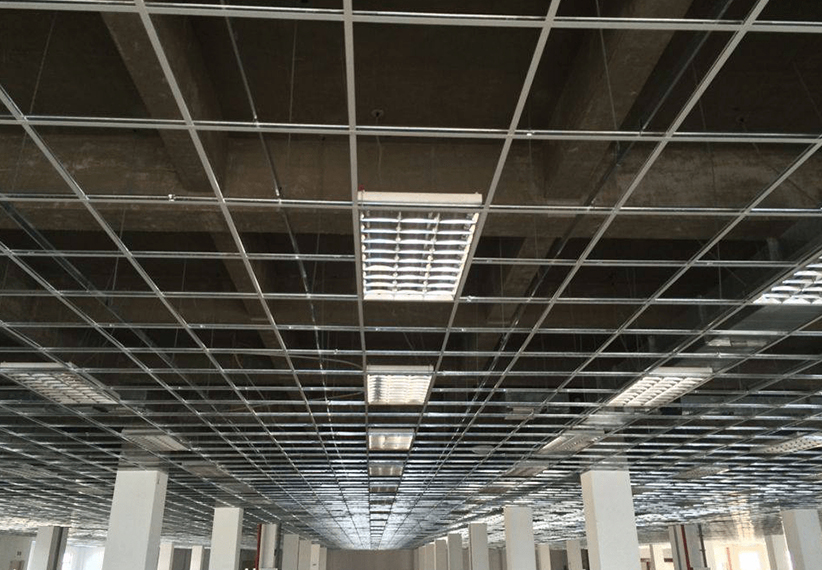
After the completion of water and electricity installation, water pressure testing, and pressure test, a concealed inspection of the keels shall be conducted. The next procedure can only be carried out if the inspection is qualified.
( 7) Install the finishing panels
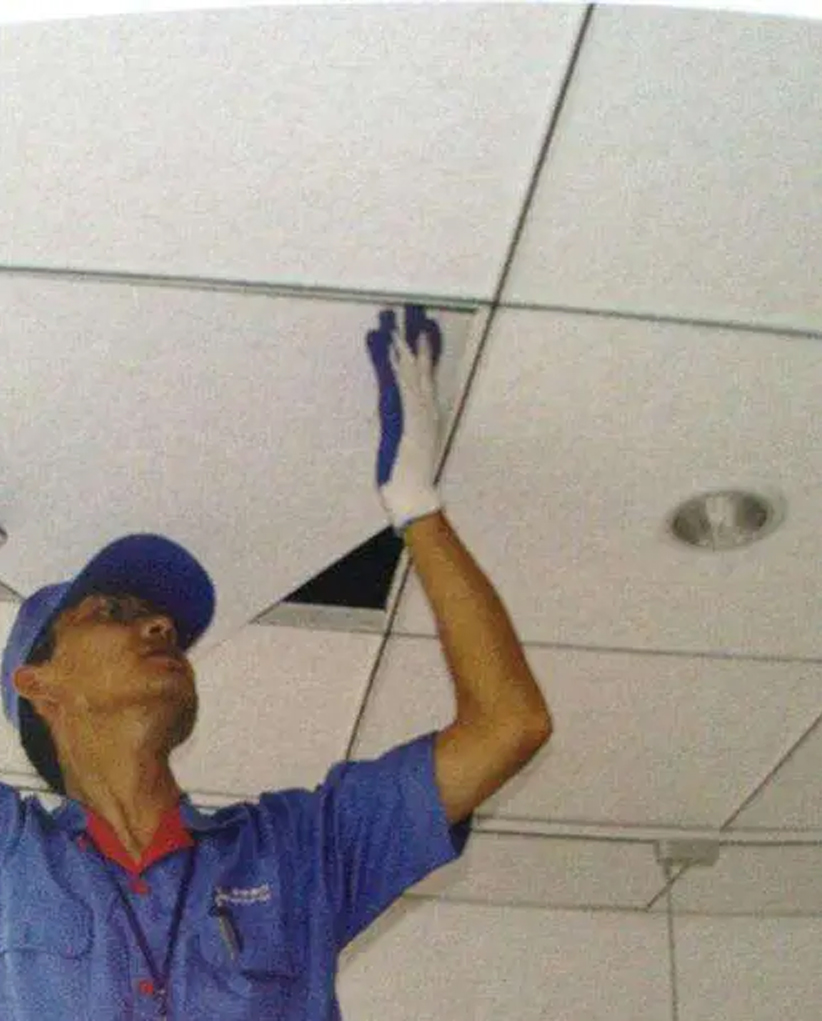
Exposed-frame mineral fiber ceiling tiles can be directly placed on the T-shaped painted steel keels. It should be noted that the direction of the arrows and white lines on the back of the tiles must be consistent to ensure the integrity of patterns and designs. The positions of devices such as lamps, smoke detectors, sprinkler heads, and air vents on the finishing panels shall be reasonable and aesthetic, and their joints with the finishing panels shall be seamless and tight.
Ⅲ. What are the acceptance requirements for mineral fiber ceiling tile suspended ceilings?
After the installation of the mineral fiber ceiling tile suspended ceiling, the most important step is acceptance. Let's take a look at the key points to pay attention to during acceptance:
1. Main Control Items
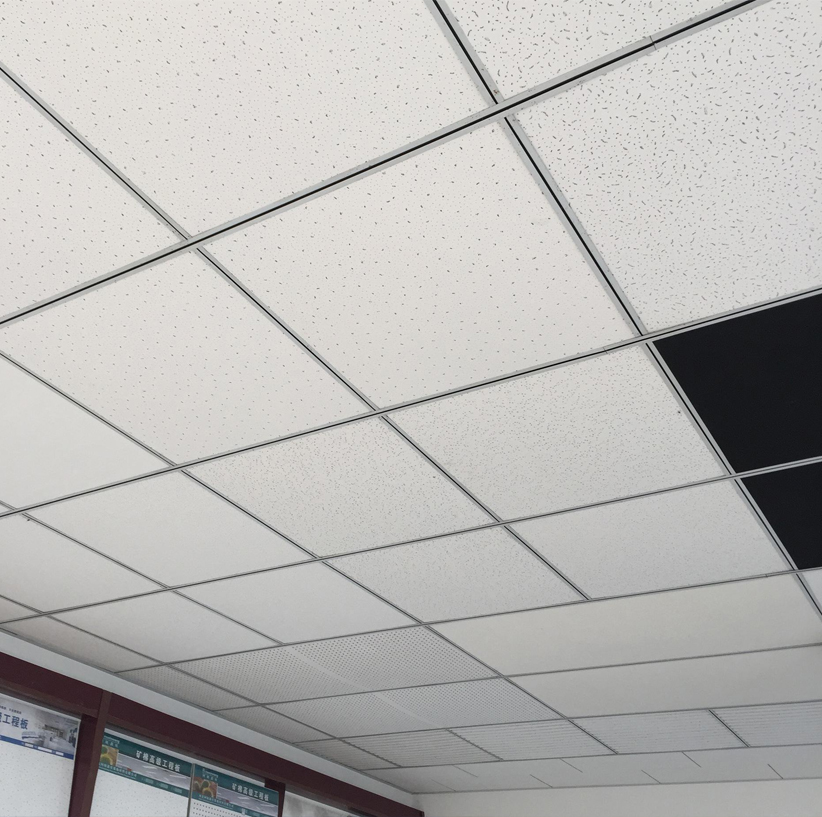
①. The ceiling elevation, dimensions, camber, and shape shall comply with the design requirements.
②. The material, type, specification, pattern, and color of the finishing materials shall meet the design requirements.
③. The finishing materials shall be installed firmly and tightly.
④. The overlapping width between the finishing materials and the keels shall be more than 2/3 of the stress-bearing width of the keels.
⑤. The material, specification, installation spacing, and connection method of the hangers and keels shall conform to the design requirements.
⑥. Metal hangers and keels shall undergo surface anti-corrosion treatment; wooden keels shall undergo anti-corrosion and fire-retardant treatment.
⑦. The hangers and keels of the ceiling project must be installed firmly.
2. General Items
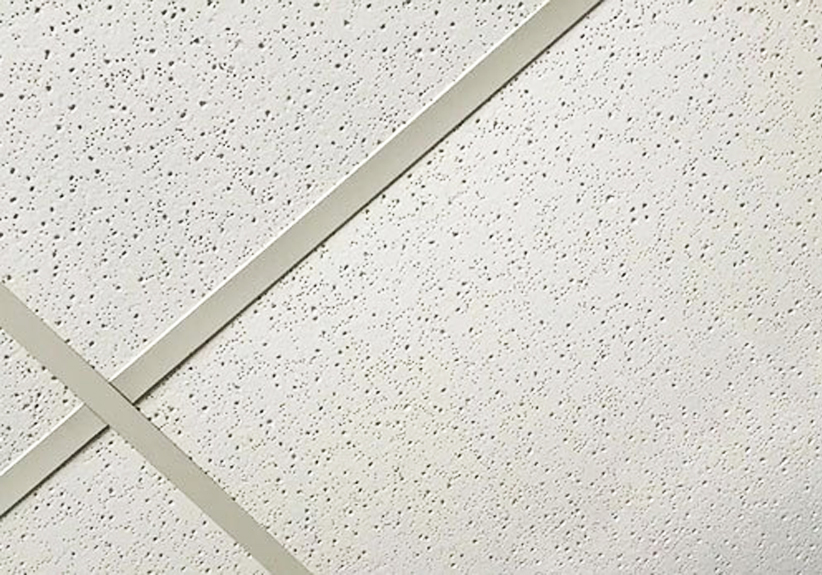
①. The surface of the finishing materials shall be clean and uniform in color, without warping, cracks, or defects.
②. The overlap between the finishing panels and exposed keels shall be flat and seamless; the trim strips shall be straight and uniform in width.
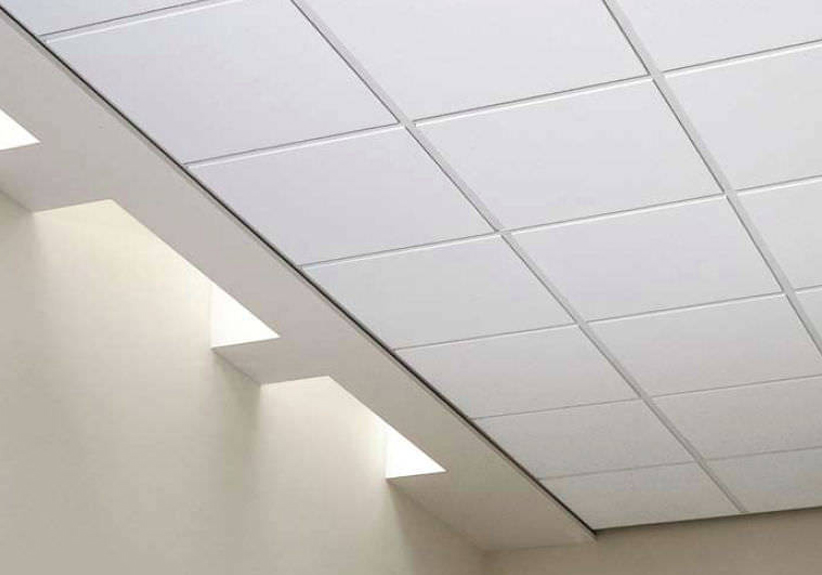
③. The positions of devices such as lamps, smoke detectors, sprinkler heads, and air vent grilles on the finishing panels shall be reasonable and aesthetic, and their joints with the finishing panels shall be seamless and tight.
④. The joints of metal keels shall be flat and seamless, with uniform color, and free from surface defects such as scratches and abrasions.
⑤. Wooden keels shall be flat, straight, and free from splits.
⑥. The type and laying thickness of sound-absorbing materials filled in the ceiling shall comply with the design requirements, and measures shall be taken to prevent scattering.
3. What to do if the ceiling is uneven after the installation of the mineral fiber ceiling tile suspended ceiling?
Preventive Measures:
Hangers must be straightened and undergo anti-rust treatment. The spacing between hanging points shall be controlled within 1200mm, and 900mm is recommended.Be firmly installed without looseness;
The ceiling line setting shall be accurate. The camber height shall be determined through calculation and not less than 1/200 of the short-span length of the room;
Special hangers must be installed for heavy lamps and equipment, and it is strictly forbidden to install them on the keels of the ceiling project.
4. What to do if the ceiling shape is asymmetrical and the panel layout is unreasonable?
There are 3 main reasons:
①. Failure to draw a cross centerline around the room.
②. Failure to arrange main keels and secondary keels in accordance with design requirements.
③. Incorrect sequence of panel laying and installation.
Preventive measures:
①. Draw a cross centerline at the horizontal line position around the room according to the designed ceiling elevation.
②. Arrange main keels and secondary keels as required by the design.
③. Lay the whole panels first in the middle area, and the remaining material shall be evenly distributed to the outermost panels around the room.


