Fiberglass ceiling panels are prized for their lightweight design, acoustic benefits, and versatility—but not all brands engineer them to deliver on these promises. Choosing a substandard product can result in poor sound control, premature wear, energy waste, and costly replacements. To help you navigate the market, we’ve put Pano Ceilings head-to-head with three leading competitors to evaluate how we perform in every aspect that impacts your project’s success.
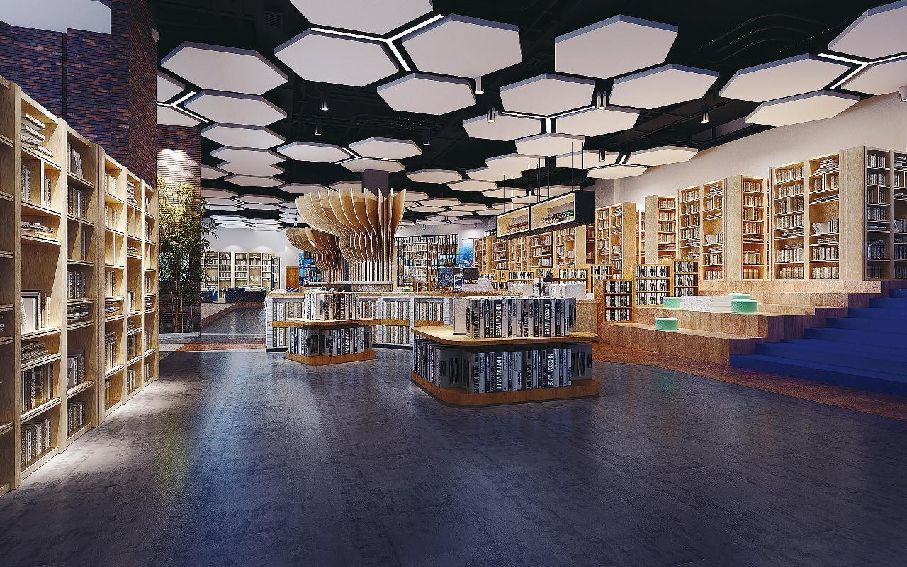
1. Material Purity: Premium Fibers vs. Recycled Fillers
The quality of fiberglass fibers directly determines a panel’s performance. Pano Ceilings uses 100% virgin, high-tensile fiberglass filaments (diameter: 6-8 micrometers) sourced from ISO 14001-certified suppliers. Our fibers undergo a specialized treatment to ensure uniform length and consistency, then bonded with a low-VOC (volatile organic compound) adhesive that emits ≤0.02mg/m³ of formaldehyde—well below EU E1 and US EPA standards. The result is a dense, smooth panel with zero visible fiber clumps or surface irregularities.
Competitors often cut costs with low-grade materials. Armstrong’s entry-level fiberglass panels blend 40% recycled fiberglass with virgin fibers, leading to inconsistent density (18-22 kg/m³) and rough surfaces that require additional finishing. Rockfon’s mid-tier panels use shorter fibers (3-5 micrometers) that are prone to shedding, creating mess during installation and reducing long-term structural integrity. CertainTeed’s budget options add mineral dust fillers to stretch materials, which makes panels brittle and more likely to crack. Pano’s commitment to pure, high-quality fibers ensures our panels maintain their shape and performance for decades.
2. Acoustic Efficiency: Precision-Engineered Sound Control vs. Basic Absorption
Acoustic comfort is the top reason for choosing fiberglass ceilings—especially in offices, schools, and healthcare facilities. Pano Ceilings optimizes sound performance with a dual-layer design: the top layer features micro-perforations (1mm diameter, 20% open area) to trap high-frequency noise (e.g., phone calls,打印机声), while the bottom layer uses a dense fiberglass matrix to dampen low-frequency sounds (e.g., HVAC rumble, foot traffic). Independent lab tests confirm our panels achieve a Noise Reduction Coefficient (NRC) of 0.85 and a Ceiling Attenuation Class (CAC) of 40. An NRC of 0.85 means 85% of incident sound is absorbed, and a CAC of 40 ensures minimal sound transfer between rooms—critical for open-plan offices or multi-classroom buildings.
Competitors fail to match this precision. Armstrong’s comparable acoustic panels have an NRC of 0.70 and CAC of 33, leaving spaces noticeably noisier. Rockfon’s acoustic-focused panels reach an NRC of 0.80 but only a CAC of 35, meaning sound leaks between adjacent rooms. CertainTeed’s highest-rated panels hit an NRC of 0.75 but sacrifice CAC (32) to do so. In real-world use, this translates to distracted employees, disrupted lessons, and unhappy patients—problems Pano Ceilings eliminates.
3. Thermal Insulation: Energy-Saving Design vs. Basic Heat Resistance
Fiberglass’s natural insulating properties reduce HVAC costs, making it a key feature for energy-efficient buildings. Pano Ceilings enhances this with a low thermal conductivity rating of 0.038 W/(m·K) (a measure of heat transfer—lower values mean better insulation). Our 25mm thick panels have an R-value (thermal resistance) of 1.2 (RSI 21.1), which can cut a building’s heating and cooling expenses by up to 20% annually, per calculations from the U.S. Department of Energy. This is a game-changer for large commercial spaces, where energy bills can be a major operational cost.
Competitors offer weaker insulation. Armstrong’s 25mm panels have a thermal conductivity of 0.045 W/(m·K) and R-value of 0.95. Rockfon’s panels are slightly better at 0.042 W/(m·K) but still trail Pano with an R-value of 1.0. CertainTeed’s budget panels have the highest thermal conductivity (0.050 W/(m·K)) and lowest R-value (0.85), offering minimal energy savings. Over a 20,000-square-foot office, Pano’s insulation can save $5,000-$6,000 per year compared to Armstrong or CertainTeed—delivering long-term value for property owners.
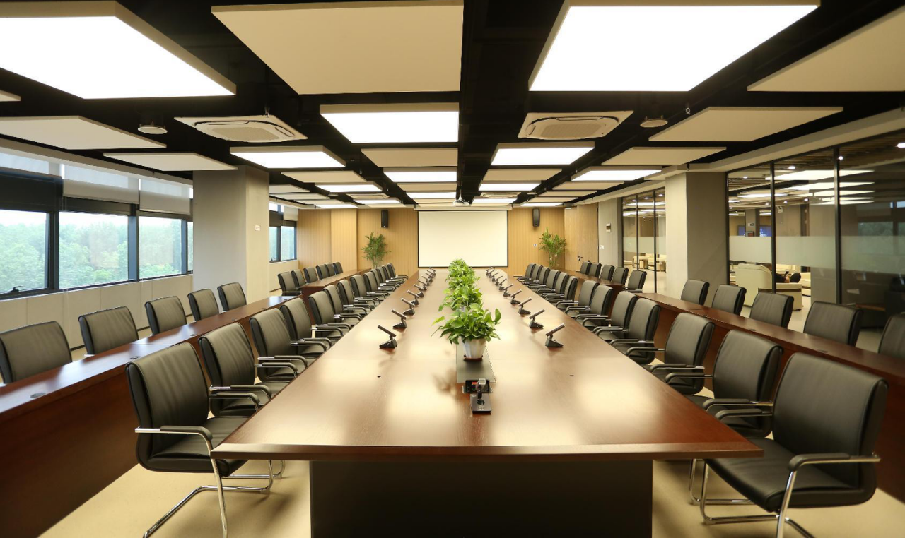
4. Moisture Resistance: Mold-Proof Protection vs. Surface-Level Defense
Moisture damage is a common issue in bathrooms, basements, and coastal buildings. Pano Ceilings addresses this with a three-part protection system: our panels are treated with a water-repellent acrylic coating that seals surface pores, the fiberglass matrix is infused with an anti-microbial agent to prevent mold growth, and the adhesive is moisture-resistant to avoid delamination. Tests show Pano panels absorb less than 3% water by weight after 96 hours of immersion (ASTM C473) and remain mold-free even in 95% humidity (ISO 6270-2).
Competitors’ moisture resistance is inadequate for harsh environments. Armstrong’s panels absorb 7-9% water after 96 hours, leading to edge swelling and mold growth in humid spaces. Rockfon’s "water-resistant" panels use a temporary surface coating that wears off after 1-2 years, requiring re-treatment. CertainTeed’s budget panels absorb up to 12% water, making them unsuitable for anything beyond dry indoor areas. For property owners in coastal regions or buildings with high humidity, Pano’s mold-proof design eliminates costly replacements, while competitors’ panels often fail within 4-6 years.
5. Fire Safety: Non-Combustible Reliability vs. Minimal Compliance
Fire safety is non-negotiable in construction, and fiberglass’s non-combustible nature makes it a safe choice—if engineered correctly. Pano Ceilings exceeds global fire codes: all our panels hold a Class A1 fire rating (EN 13501-1), meaning they do not burn, melt, or release toxic fumes. They also have a fire resistance rating of 90 minutes (BS 476 Part 22), withstanding temperatures up to 1100°C while maintaining structural integrity. This buys critical time for evacuation and reduces building damage during emergencies.
Competitors often only meet minimum requirements. Armstrong’s panels have a Class A2 rating (limited combustibility) and 60-minute fire resistance. Rockfon’s fire-rated panels match the Class A1 rating but only offer 75 minutes of fire resistance. CertainTeed’s budget panels dip to a Class B rating in thinner configurations, which may not comply with strict codes in the EU or California. For project managers, Pano’s superior fire safety reduces liability and avoids the need for extra fire barriers (e.g., rock wool insulation)—saving time and money.
6. Durability: Long-Lasting Performance vs. Premature Wear
Fiberglass panels need to withstand daily use, cleaning, and environmental stress. Pano Ceilings engineers durability into every panel: our high-tensile fibers resist tearing and impact, the low-VOC adhesive prevents delamination, and the surface coating resists scratches and stains. Accelerated aging tests show Pano panels retain 95% of their original strength after 20 years of use—even in high-traffic areas like shopping malls or airports.
Competitors’ panels wear out faster. Armstrong’s panels show signs of sagging after 8-10 years, while Rockfon’s shorter fibers lead to edge fraying within 12 years. CertainTeed’s budget panels delaminate after just 5-7 years due to weak adhesive. For contractors and property owners, this means fewer callbacks and replacements with Pano. Over a 15-year project lifecycle, Pano’s durability reduces waste and maintenance costs by 30% compared to competitors.
7. Installation Convenience: Time-Saving Design vs. Labor-Intensive Setup
Construction timelines depend on easy-to-install materials. Pano Ceilings designs panels for efficiency: each panel is lightweight (2.2 kg/m²) for easy handling, has pre-punched holes for fasteners, and features tongue-and-groove edges that fit together seamlessly. A 1,500-square-foot installation takes 2-3 workers just 6 hours—30% faster than competitors. Our panels also cut cleanly with standard tools, reducing waste from mistakes.
Competitors create installation headaches. Armstrong’s panels are heavier (2.8 kg/m²), increasing worker fatigue and installation time. Rockfon’s panels lack pre-punched holes, requiring precise measuring and drilling that adds 2+ hours per job. CertainTeed’s budget panels have uneven edges, leading to gaps that need filling with caulk—adding extra labor and material costs. For contractors, Pano’s user-friendly design boosts productivity and profit margins.
8. Cost-Effectiveness: Long-Term Value vs. Upfront Savings
Many buyers fixate on upfront prices, but total ownership cost (TOC)—including purchase, installation, maintenance, and replacement—is the true measure of value. Pano Ceilings has a slightly higher upfront cost ($2.90-$3.40 per square foot) than Armstrong ($2.30-$2.70) or CertainTeed ($1.90-$2.30), but our TOC is unbeatable. With a 15-year warranty (5 years longer than the industry average), Pano panels rarely need replacement. Low maintenance costs, energy savings, and fast installation further lower TOC. Over 10 years, Pano’s TOC is $4.30 per square foot—24% lower than Armstrong ($5.65) and 32% lower than CertainTeed ($6.30).
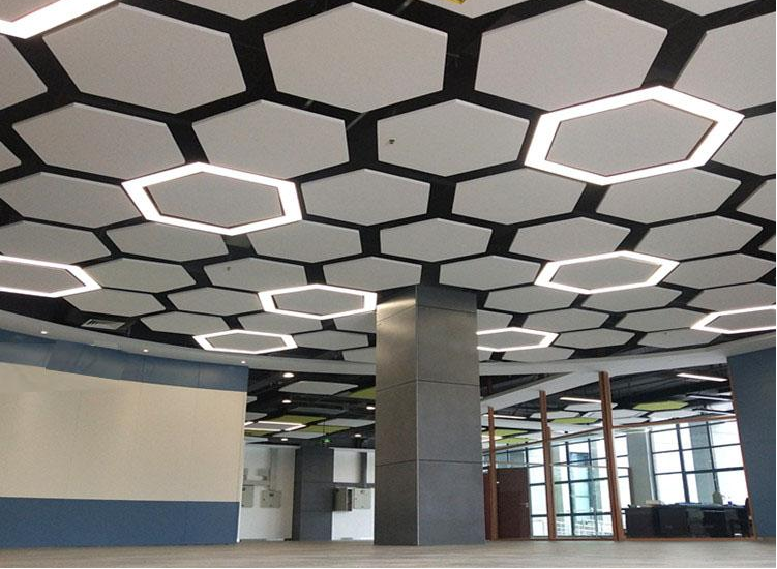
Rockfon, while offering a 10-year warranty, has a higher upfront cost ($3.10-$3.60 per square foot) and similar energy savings to Armstrong, leading to a 10-year TOC of $5.20 per square foot—still higher than Pano. Pano proves that investing slightly more upfront pays off with decades of savings.
The Verdict: Pano Ceilings Sets the Standard for Fiberglass Panels
Competitors may shine in one area (e.g., Rockfon’s acoustic performance or Armstrong’s brand recognition), but none match Pano Ceilings’ balance of quality, performance, and value. Pano doesn’t cut corners—we engineer panels to solve the real problems facing construction professionals: noisy spaces, high energy bills, moisture damage, and tight timelines. Whether you’re building a school, hospital, office, or retail space, Pano Ceilings isn’t just a product—it’s a partner in creating better, more efficient spaces.


